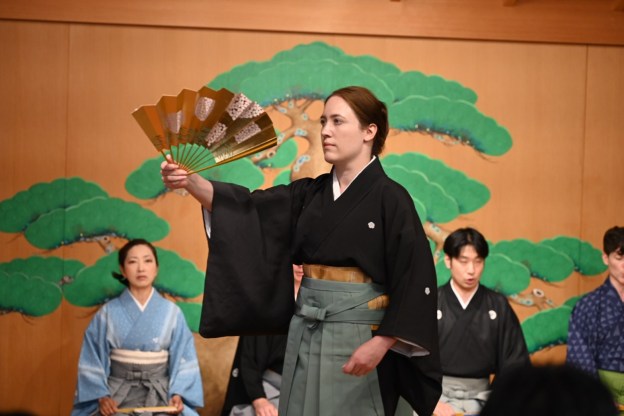
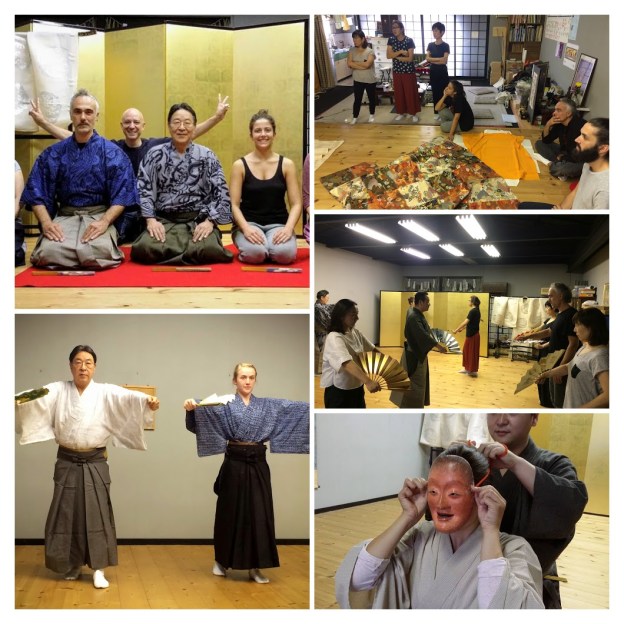
This summer, I had the privilege of joining five other participants from around the world in the esteemed Summer Intensive Programme of the International Noh Institute.
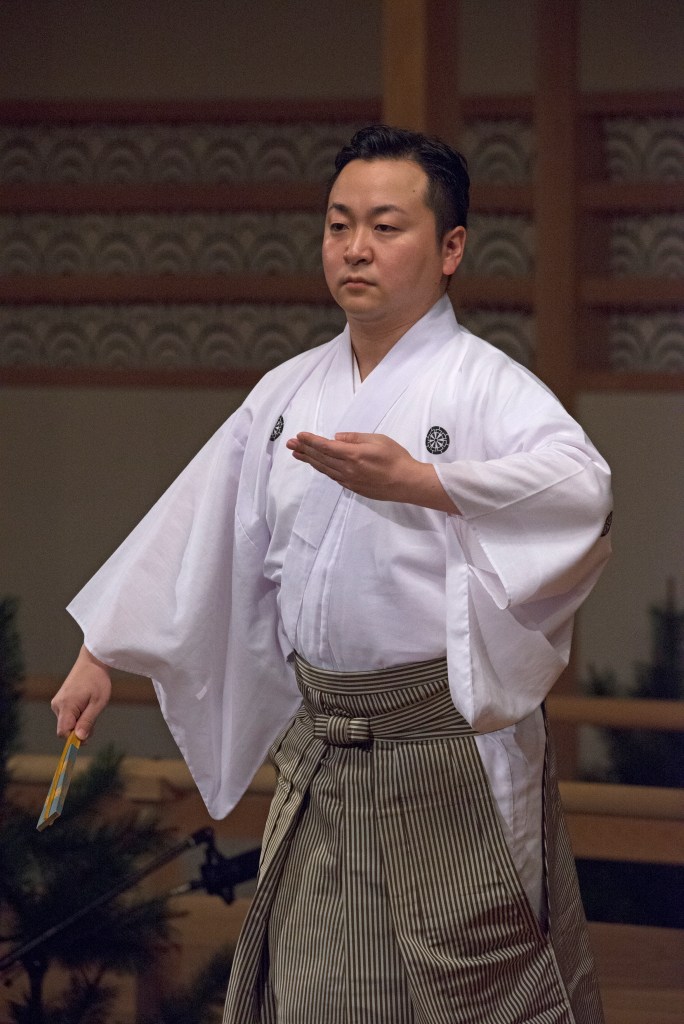
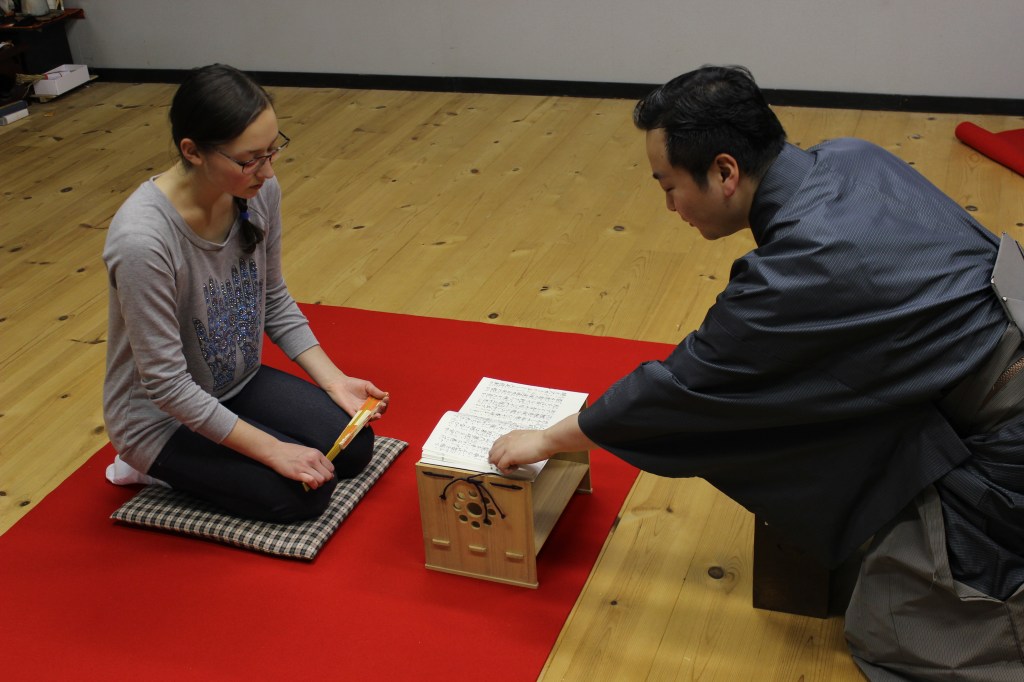
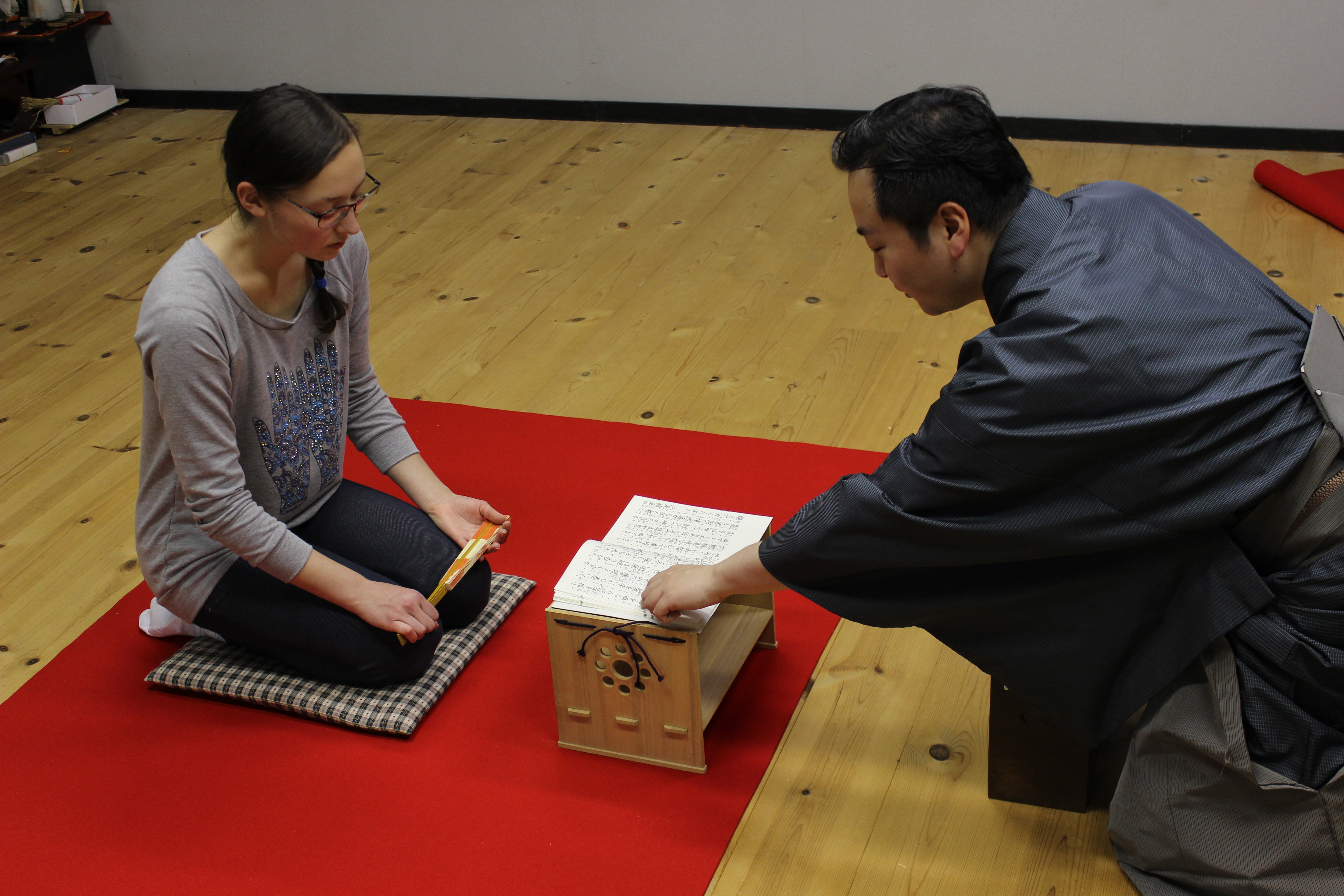
Central to the programme was the invaluable access to renowned Noh teachers, namely Udaka Tatsushige, Udaka Norishige and Diego Pellecchia, as well as the support and kind guidance of Monique Arnaud. Their expertise and dedication to preserving Noh as an art form were evident throughout their teachings.
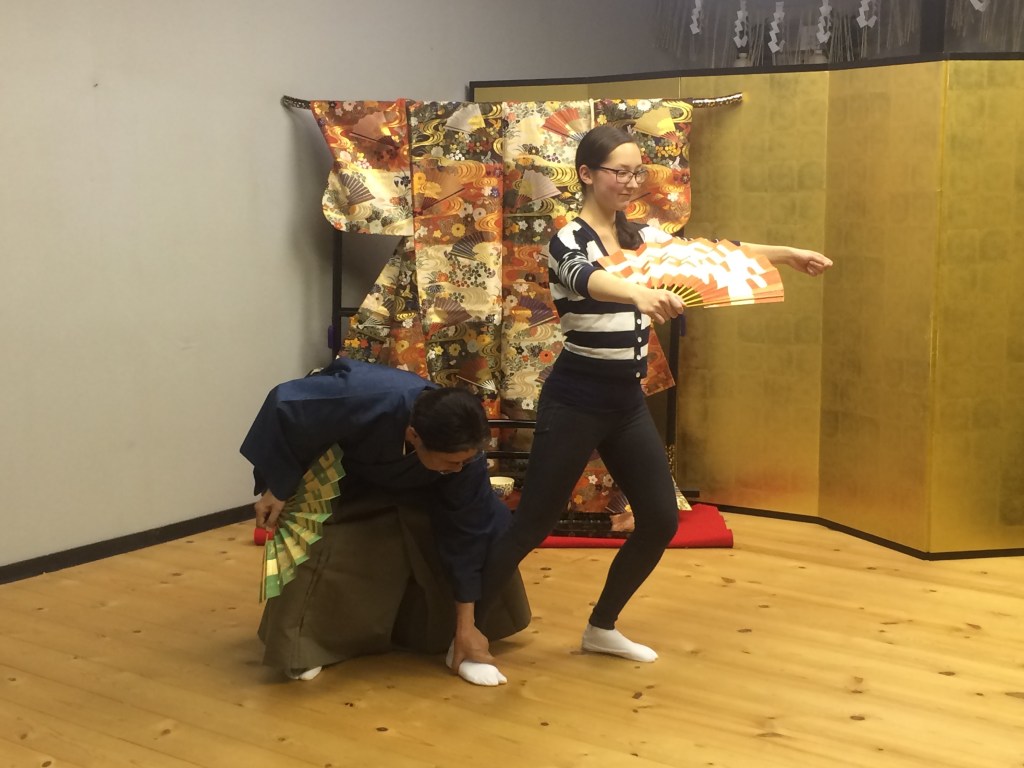
Beyond the technical aspects of Noh – namely lessons on chanting and studying the movements known as kata which make up the dance part – the programme encouraged profound discussions on the artistic and philosophical underpinnings of the Noh plays and the essence of Noh itself. These in-depth conversations highlighted the spiritual dimensions of the performances.
One thought which crossed my mind was about how the essence of noh bears many similarities to the traditional concept of ‘the way’ or ‘dō’(道) ‒ evident in practices like the Way of the tea (Sadō), the way of the Sword (kendō) or the Way of the Brush (Shodō). Noh theatre, much like the traditional ways, places emphasis on dedicated practice, honing skills over a lifetime and seeking a deeper connection with the art itself. The philosophy of self-improvement and enlightenment, inherent in the ways, is equally present in the practice of Noh. Discussing this shared ethos between Noh theatre and the philosophy of the way with our teacher highlights how Noh is transcending the surface of a mere theatrical performance into a holistic art form encompassing spiritual and philosophical aspects, making Noh a transformative journey for the performer.
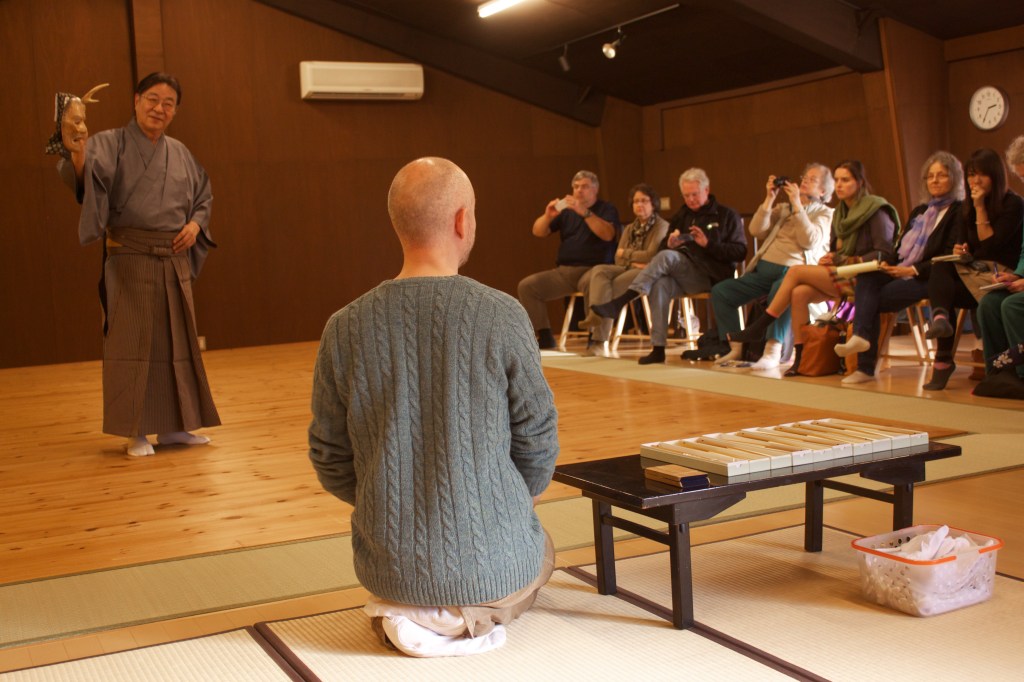
Another particularly memorable and spontaneous occurrence emerged during a discussion on masks from the Noh play Kanawa. As a thunderstorm raged outside we were shown the corresponding mask to the play with the lights turned off and just a single candle lit, creating a captivating atmosphere and highlighting the masks man facets so different to the masks we see in artificial light.
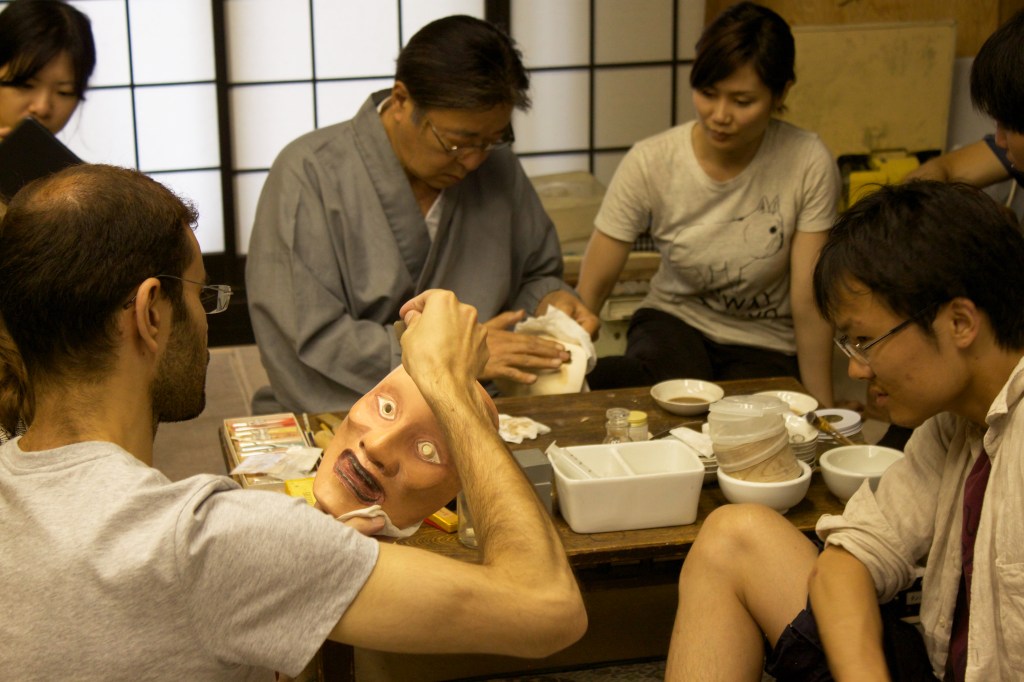
Since masks play a central role in Noh theater, interacting with mask carver Udaka Keiko was undoubtedly one of the highlights. She patiently listened to our many probing questions and showed us a large repertoire of different masks.
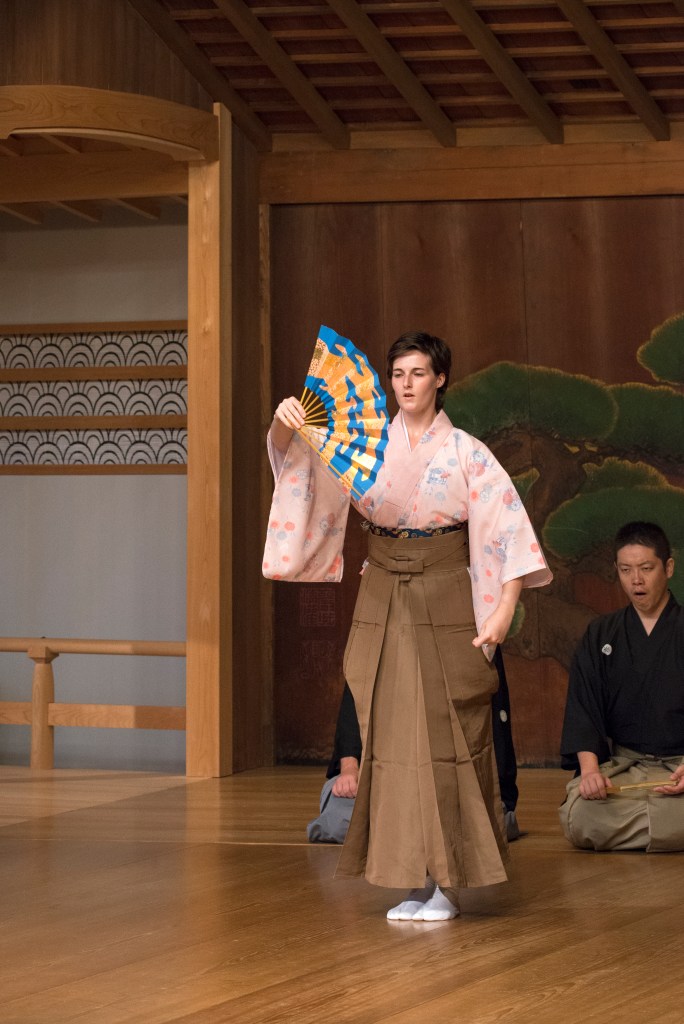
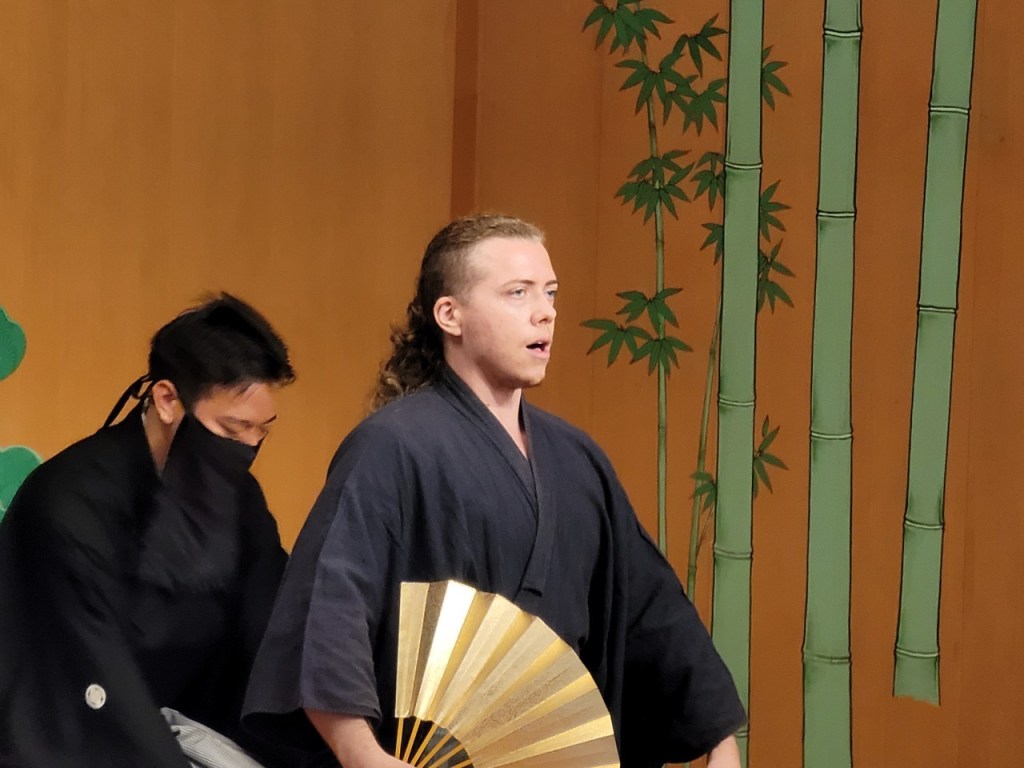
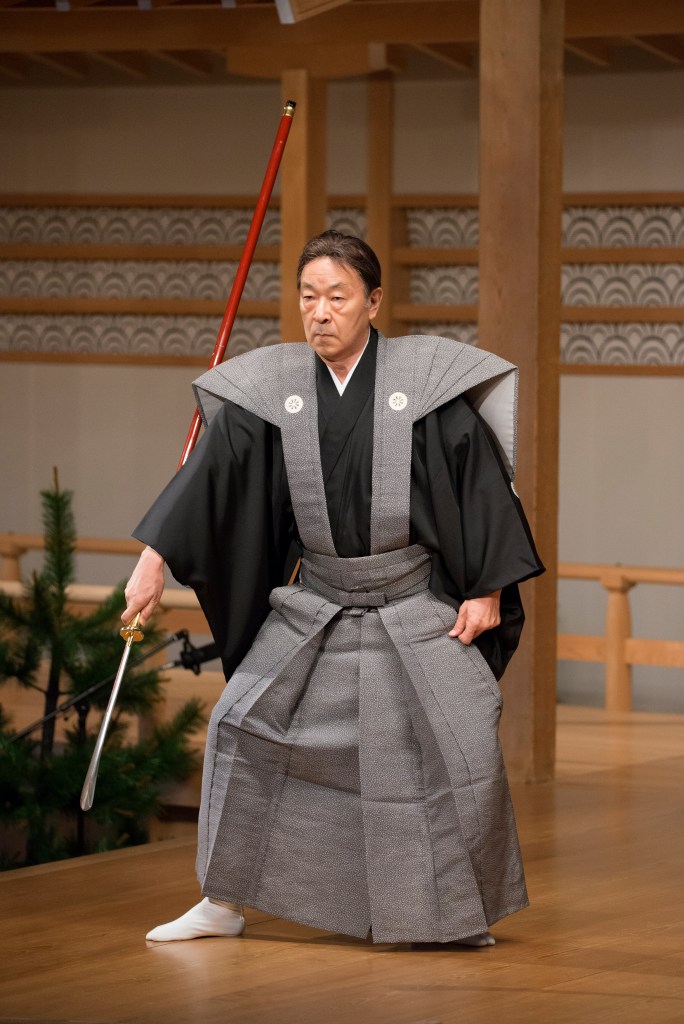
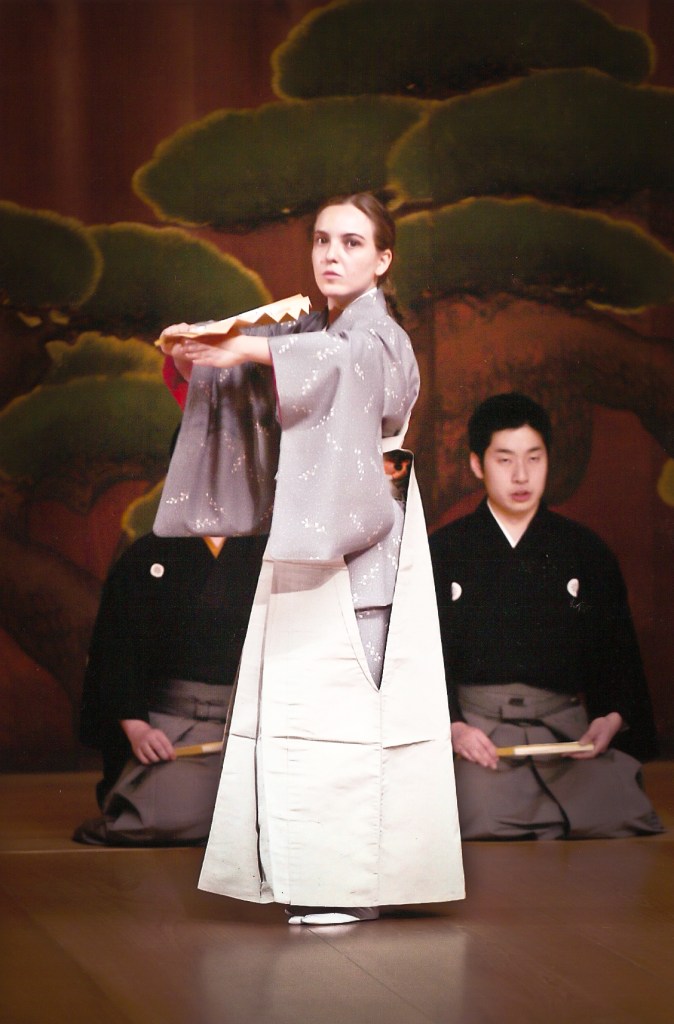
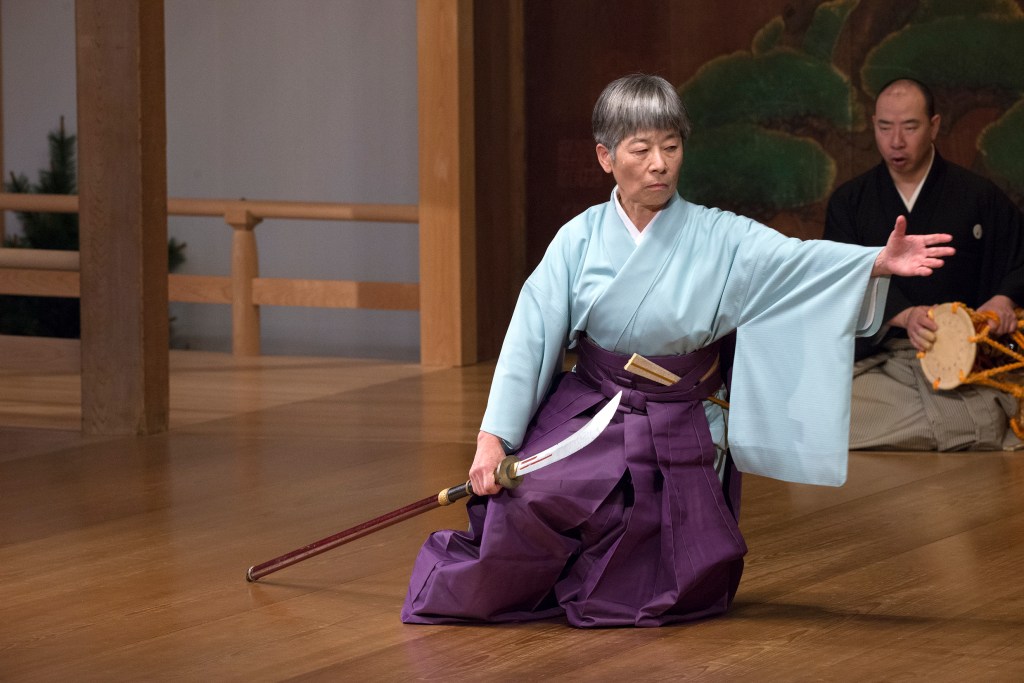
Culminating in the programme was the privilege of participating in a Noh performance on the closing day. Each participant chose one of the three dances we studied to bring to the stage, and in the end our teachers also contributed their pieces. Coming back to the before mentioned pondering of how the teachings of the way are reflected in Noh, I believe this shapes not only the performer but also deeply resonates with the audience. As a result the audience is invited not just to a theatrical spectacle but to witness an expression of spiritual value.
In conclusion, the summer intensive programme at the International Noh Institute offered a transformative journey into the world of Noh, fostering artistic appreciation but also intellectual growth and personal reflection that goes deeper than just the movements one might perceive on the stage. The opportunity to learn directly from accomplished Noh masters, engage in profound discussions, witness captivating demonstrations and perform on stage contributed to a deeply enriching experience.
(Eva Habereder)


















 The International Noh Institute